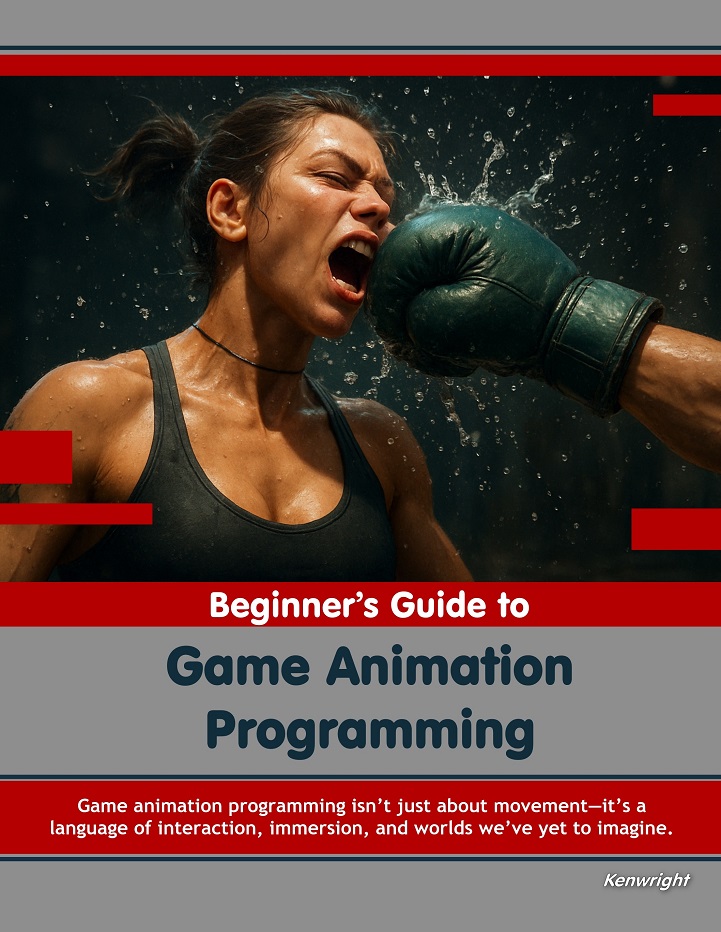
An empowering journey into Game Animation, "Beginner's Guide to Game Animation Programming" explores its profound influence on the future of innovation. With clarity and enthusiasm, this essential read delivers fresh perspectives and actionable insights that inspire curiosity and spark meaningful progress.
Whether you're a curious newcomer or a seasoned professional, "Beginner's Guide to Game Animation Programming" offers a vibrant and rewarding exploration of the field. The author's passion for the subject shines through every chapter, offering readers a refreshing mix of technical rigor and creative inspiration. Embark on a transformative journey through the world of Game Animation with "Beginner's Guide to Game Animation Programming", a masterfully written guide that blends clarity with depth.
I wish I had discovered this book earlier in my career. Its clarity, depth, and relevance are unmatched.
The author's clarity and warmth made even the most technical sections feel approachable and empowering.
January 18, 2026
If you're serious about mastering Vulkan, this book is essential. It’s both a guide and an inspiration.
The section on C++ opened up new possibilities I hadn’t considered before.
January 9, 2026
This book is more than a read—it’s a catalyst for growth. I feel energized and equipped to take action.
The integration of storytelling and data was masterful. It made the content both credible and compelling.
January 17, 2026Stay updated with the latest in tech literature
A dose of Silver Age goofiness in "Bad Boy Clark Kent," this Superboy comic is a fun one. ...
Read MoreFor avid readers, literary adaptations can be a source of both excitement and contention. Will the visual language of the film match the landscape in ...
Read More“The loss of virtue in a female is irretrievable—that one false step involves in her endless ruin—that her reputation is no less brittle than it...
Read MoreEnhance your reading and learning experience
Create a dedicated reading space with good lighting and minimal distractions.
Follow the 20-20-20 rule: every 20 minutes, look at something 20 feet away for 20 seconds.
Take brief notes after each chapter. Summarizing helps cement knowledge.
Write documentation as if the next person reading it is a violent psychopath who knows where you live.
Use a pointer or your finger to guide your eyes. This can increase reading speed by 25%.
Use the Feynman Technique: teach what you learn to someone else to identify knowledge gaps.
Sarah Johnson
Professional ReviewerI loved the mix of academic depth and practical relevance. It’s a rare balance that this book achieves beautifully.
January 11, 2026